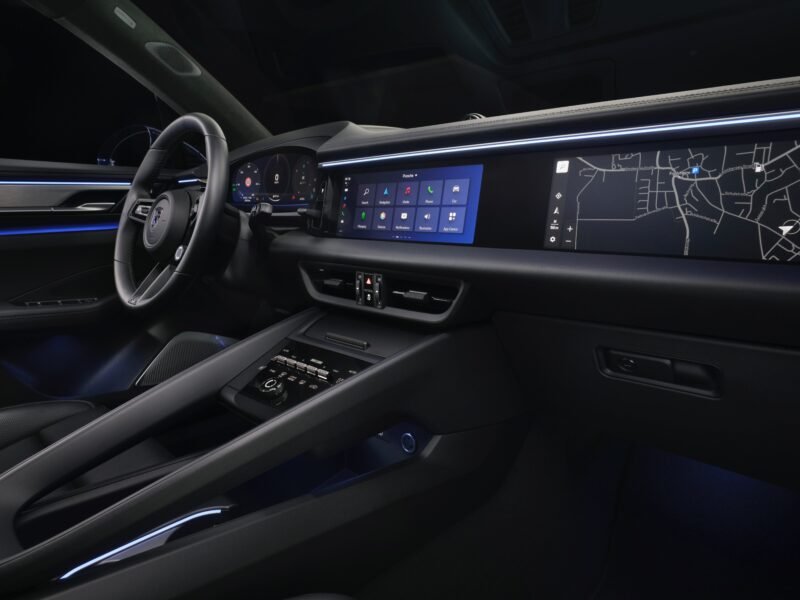
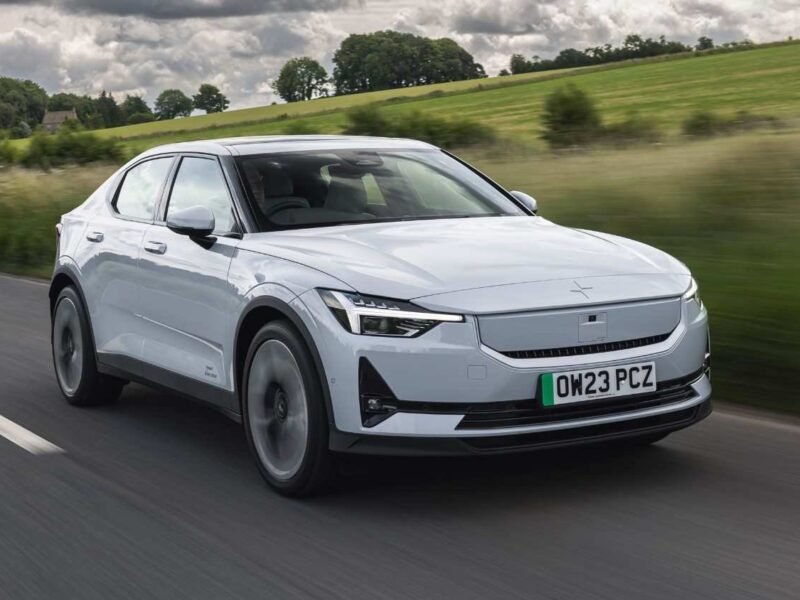
In 2025, the automotive world continues its push toward autonomous driving. While full self-driving vehicles are not yet widespread, driver assistance systems have reached new heights in intelligence, safety, and functionality. These advancements are transforming how we interact with our cars, making driving more intuitive and less stressful. Here are some of the most exciting innovations in self-driving assistance this year.
1. Predictive Adaptive Cruise Control
Unlike traditional adaptive cruise control, the latest systems use AI to predict traffic patterns and adjust speed accordingly. By analyzing data from traffic flow, GPS maps, and vehicle-to-vehicle communication, this innovation allows for smoother acceleration and braking in real-time.
2. Automated Lane Change with Environmental Awareness
In 2025, many vehicles can now perform fully autonomous lane changes. The difference? These systems consider multiple environmental factors like weather conditions, blind spots, and approaching vehicles at high speeds. This multi-sensor approach results in safer and more confident lane transitions.
3. Urban Navigation with Smart Mapping
Self-driving assistance has become smarter in city environments. Advanced navigation now recognizes dynamic obstacles like construction zones, cyclists, and double-parked vehicles. Real-time updates from cloud-based traffic data help vehicles reroute efficiently while maintaining a smooth driving experience.
4. AI-Powered Driver Monitoring
To ensure drivers remain alert, new systems include facial recognition and eye-tracking cameras that detect signs of fatigue or distraction. If the system notices inattention, it can issue alerts, tighten steering assistance, or even safely bring the car to a stop.
5. Hands-Free Highway Travel
Several automakers now offer hands-free driving on approved highways. These systems use lidar, radar, and cameras to keep the vehicle centered in its lane and maintain a safe distance from other cars. Drivers can remove their hands from the wheel for extended periods while still remaining attentive.
6. Smart Parking and Retrieval Systems
Parking has never been easier. 2025 brings expanded use of self-parking systems that allow drivers to exit their vehicles and let the car park itself. Some models even support remote retrieval—call your car from a smartphone, and it navigates back to you autonomously.
Conclusion
The journey toward full autonomy is well underway, and 2025 marks a major step forward. With smarter sensors, advanced algorithms, and real-time data integration, self-driving assistance systems are now more capable than ever. These innovations not only improve convenience but also pave the way for safer roads and more efficient transportation in the near future.